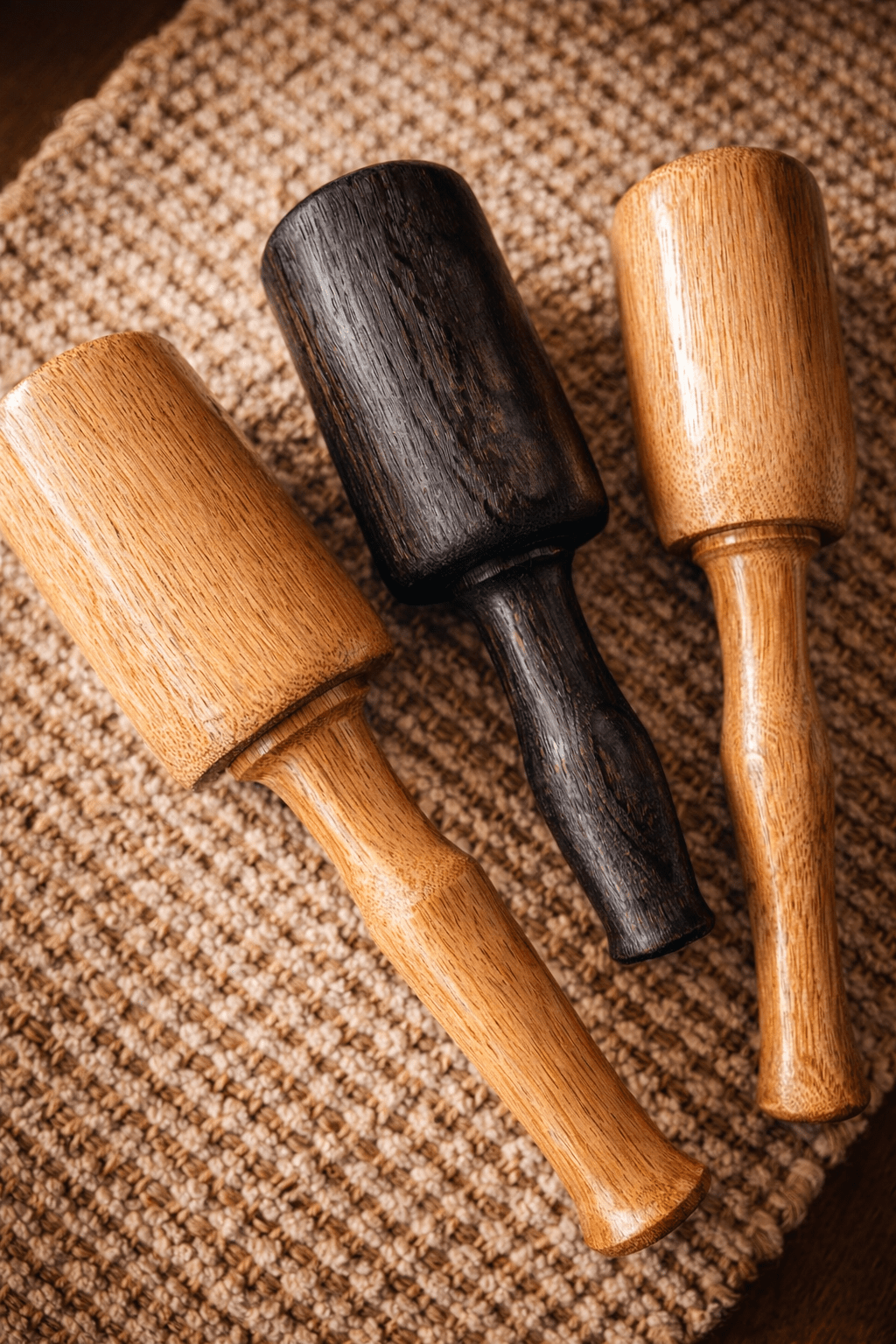
There’s an old folk song called If I Had a Hammer. It’s a song about justice, freedom, and love. It’s also a song about responsibility. About what it means to hold something in your hands and choose how it will be used. Tools carry intention. Work carries consequence.
That song stayed with me while I was making these mallets.
I found myself humming it without thinking. While turning the handle. While shaping the head. While standing at the bench, listening to the sound of wood meeting tool. Somewhere in that rhythm, the name surfaced on its own.
If I Had a Mallet.
The name felt right because it spoke plainly. Work done with care has weight. Harmony lives in practice. The bench teaches these things quietly and consistently.
THE TREE

I make these mallets from Garry oak, also known as Oregon white oak.
The name comes from Nicholas Garry, a 19th-century officer of the Hudson’s Bay Company. His era was one of long journeys and uncertain maps. Men traveled rivers and coastlines carrying trade goods, ambition, and the idea that the world could be measured and named.
The oak had already been here a long time.
Garry oak once shaped open savannas across Oregon, Washington, and southern British Columbia. Indigenous peoples tended these lands with care and understanding. Fire moved through intentionally. Wind shaped the branches. Seasons passed in rhythm. The trees grew slowly and learned patience.
That history matters to me. When I work with Garry oak, I feel connected to a time when materials were chosen with attention and respect. This wood carries memory. It asks the maker to slow down and listen.
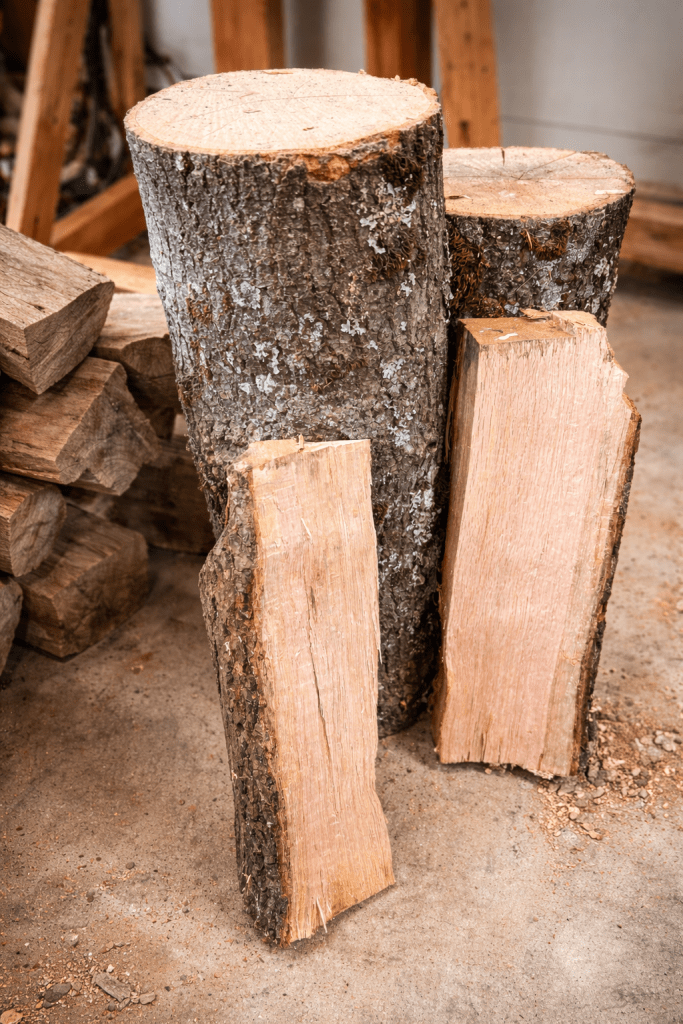
Today, Garry oak comes from storm-felled trees, careful land clearing, and small local mills. Each piece arrives with a story already inside it. I let that story guide my hand.
Mallets and the work they served
Mallets have lived in woodshops for centuries. Long before electricity, craftsmen worked by window light and fire glow. Shops smelled of shavings and smoke. Benches carried the marks of generations. Work was quiet, focused, and demanding.
They struck chisels, seated joints, and persuaded wood to move where it needed to go. They were shaped by the people who used them. They fit the hand. They wore honestly. When they failed, they were repaired or replaced. Each one carried the rhythm of its shop.
A mallet was a companion as much as a tool.
Returning to the bench
I’m returning to that lineage now.
After years of other work, I’m back at the bench full time. Back to shaping tools by hand. Back to working at a pace that allows thought and care. These mallets come first because they set the tone. They establish rhythm. They prepare the hand for everything that follows.
I make them knowing they will wear. I make them knowing they will change with use. I make them knowing they may outlast me.
One day, someone else may hold one of these mallets and wonder who made it. Perhaps a grandchild. Perhaps someone generations removed. Perhaps someone who simply values work done well and tools made with intention.
That possibility matters to me.
Holding one in your hands
When you hold one of these mallets, you hold more than wood shaped into form.
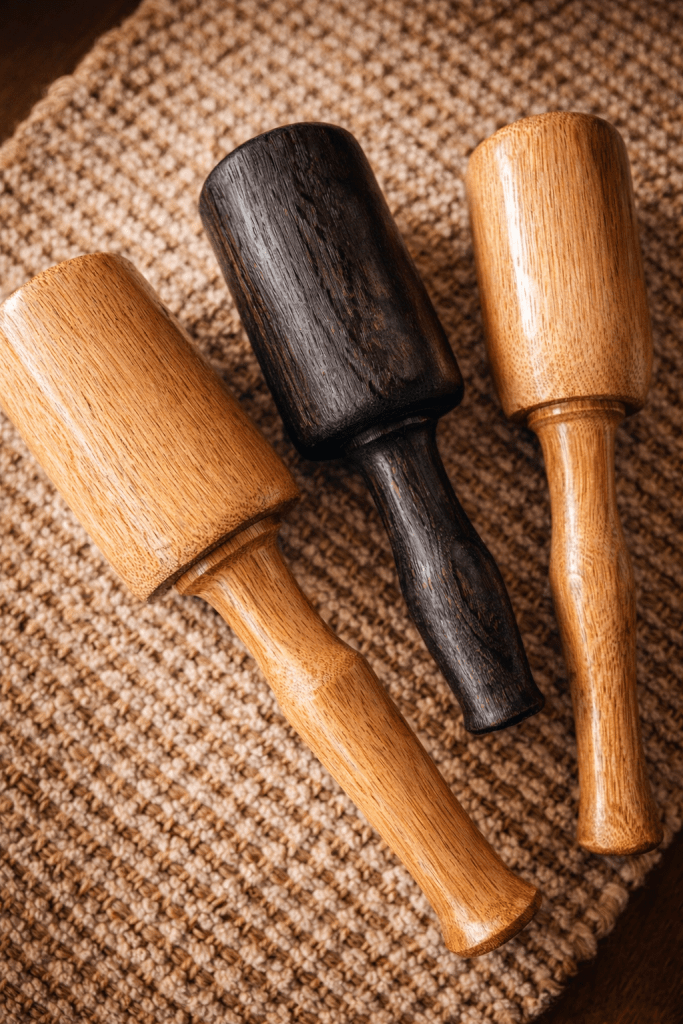
You hold a tree that learned patience.
You hold a tradition of craftsmen who worked with rhythm and restraint.
You hold a tool made to serve real work over a long life.
The weight settles naturally. The balance feels right. The strike carries purpose. The bench becomes a place of focus and presence.
That’s what If I Had a Mallet means to me.
And now, if you find yourself humming a familiar tune and thinking, if I had a mallet, you can have one.
Click here to see the available options and bring one to your bench.


 Larry Wood, Traditional Woodworker
Leave a comment