Francis Trumble, the American Windsor chair, and the life of a chair after it leaves the shop
I sometimes wonder what the old chairmakers would think if they knew we were still talking about their work more than two hundred years later.
Take Francis Trumble, for example.
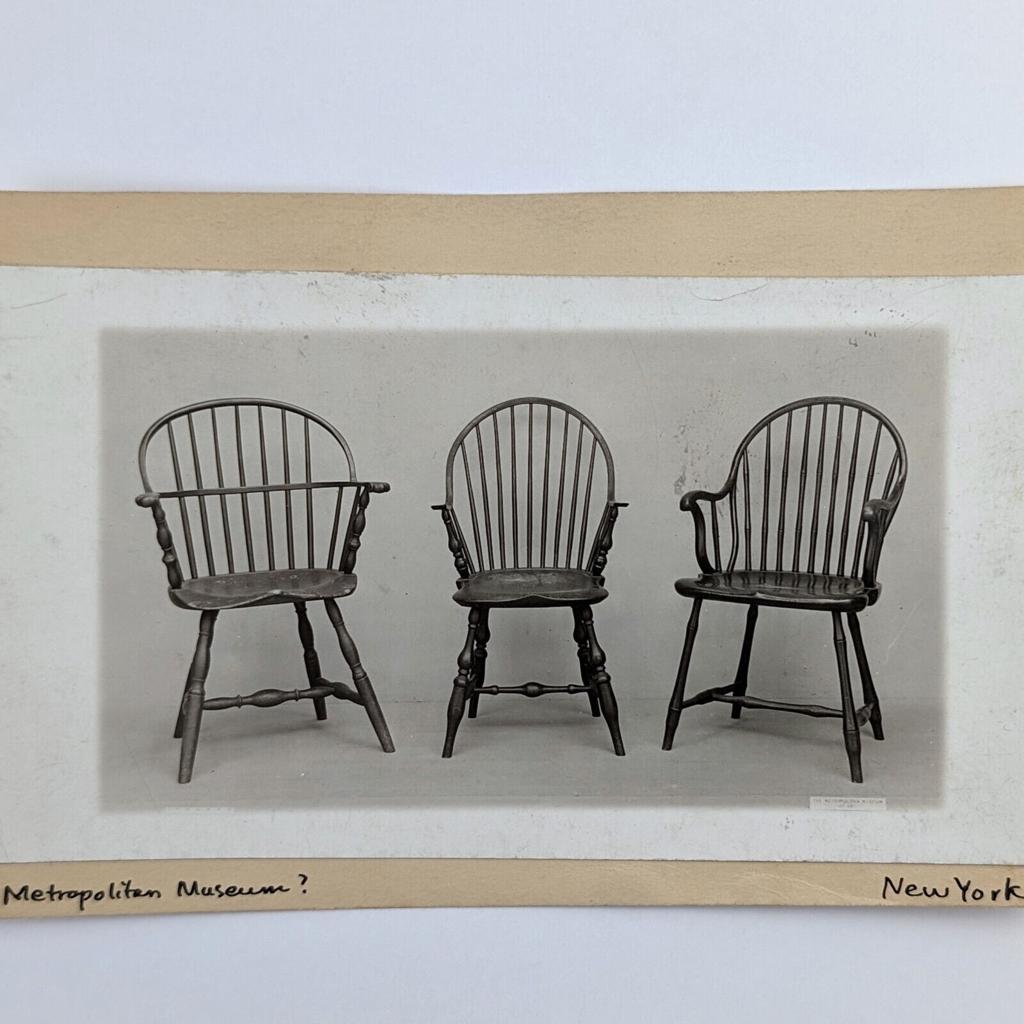
Trumble was making furniture in Philadelphia by the early 1740s and became one of the city’s early makers of Windsor chairs. His story is an interesting one, and not entirely what you might expect from a respected craftsman.
Born in England in 1715, Trumble had a rather troubled beginning. He was convicted of robbery and spent time under a sentence of death before eventually making his way to America. By 1740, he was in Philadelphia, where he established himself as a cabinetmaker and chairmaker.
It’s quite a journey from a London prison to becoming part of American furniture history.
And his adventures didn’t end there.
In July 1753, lightning struck the Philadelphia house where Trumble lived and worked. The damage was considerable, and the incident attracted the attention of Benjamin Franklin, who was studying lightning at the time. Franklin’s son William visited the property and sent his father an account of what had happened.
Imagine that. You’re trying to make a living building furniture, lightning strikes your building, and Benjamin Franklin becomes interested in the damage.
But what interests me most about Trumble is what became of his chairs.
By the 1760s, his shop was producing Windsor chairs in considerable numbers. They were shipped along the Atlantic coast, down into the southern colonies, and through trading networks reaching the Caribbean.
His chairs were made for everyday use, not museum displays. People bought them to sit in, to gather around tables, and to furnish their homes and businesses.
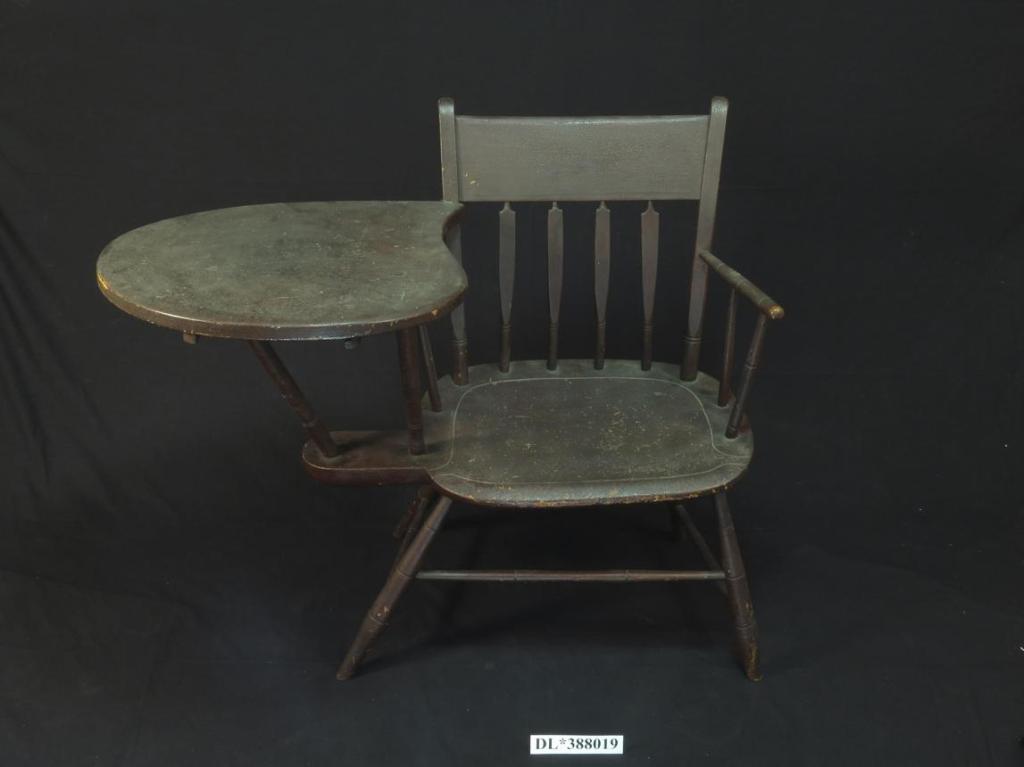
In 1778, after the British evacuated Philadelphia, Windsor chairs from Trumble’s shop were supplied for use in the Pennsylvania State House.
And in 1793, Thomas Jefferson, then serving as Secretary of State, purchased twelve Windsor chairs from Trumble for the grand sum of $20. He paid another $1.40 to have six of them painted.
That’s about $1.67 per chair.
It’s worth remembering that Trumble and many of the craftsmen who helped establish American furniture traditions weren’t celebrated artisans in the way we sometimes think of them today.
They were working tradesmen. Many, like Trumble, were immigrants who had come to America hoping to make a living. They needed customers, materials, a place to work, and enough orders to keep their shops going.
A Windsor chair wasn’t a treasured work of art. It was a useful piece of furniture, made to be sold and put to work.
And yet, here we are more than two centuries later, studying their construction, admiring their proportions, and trying to understand the methods of the men who made them.
I wonder whether Trumble ever gave much thought to what would become of his chairs.
Did he imagine that, centuries later, people would study their turnings and try to identify the hand of the maker? Did he ever consider that his work would become part of the larger story of American craftsmanship?
Or was he simply concerned with getting the next order finished, making sure the joints fit properly, and keeping his shop running?
I suspect there was plenty of the latter.
I think about these things when I finish one of my own chairs.
Years ago, I watched a film called The Red Violin. It’s a fictional story that follows a violin through centuries of changing hands, places, and circumstances. I’ve thought about that film from time to time as I’ve worked in my shop. We know a good deal about the things we make while they’re in our hands, but very little about the lives they’ll lead once they leave us.
Each chair I make receives a number. It’s a simple record of the work I’ve done, but over the years I’ve come to think of those numbers a little differently.
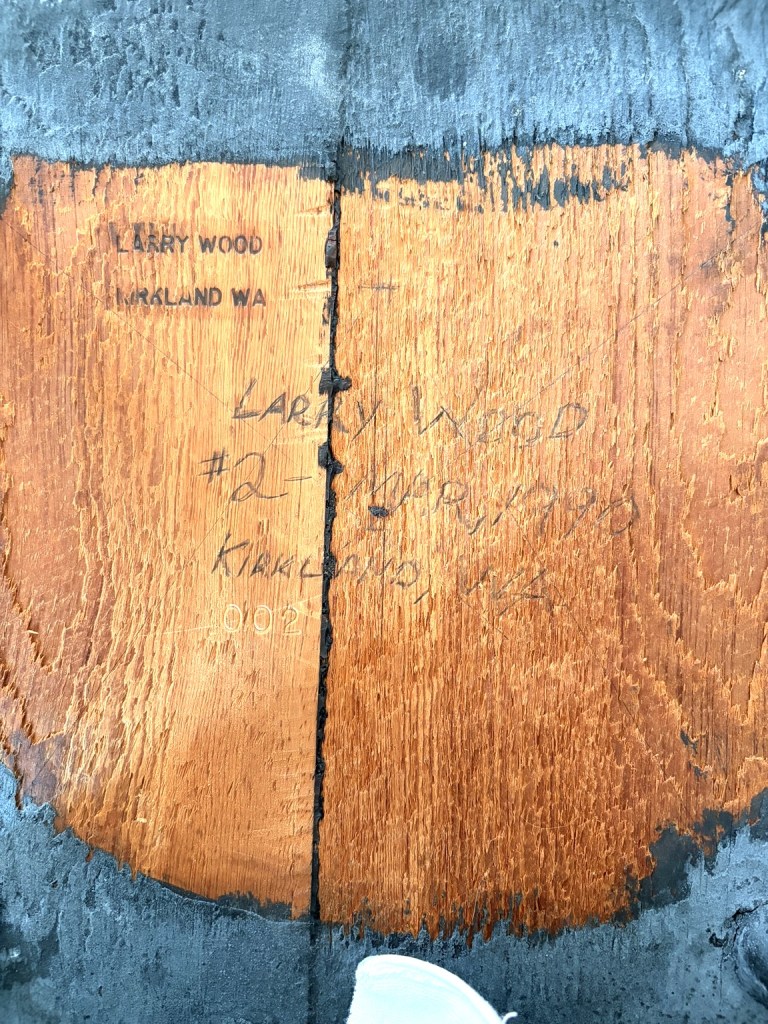
When I put that number on a chair, I know something about its beginning. I know the wood, the hours spent shaping it, and the decisions made along the way. I remember the challenges and sometimes the small surprises that come with making something by hand.
But I don’t know the rest of its story.
Will it become someone’s favorite place to sit? Will children grow up around it? Will it move from one home to another, perhaps passing through several generations?
Will someone, many years from now, turn it over, find that number, and wonder about the fellow who made it?
There’s no way to know.
I rather like that.
Francis Trumble couldn’t have known all the places his chairs would eventually go or the interest they would hold centuries after his death. Yet here we are, still learning from his work.
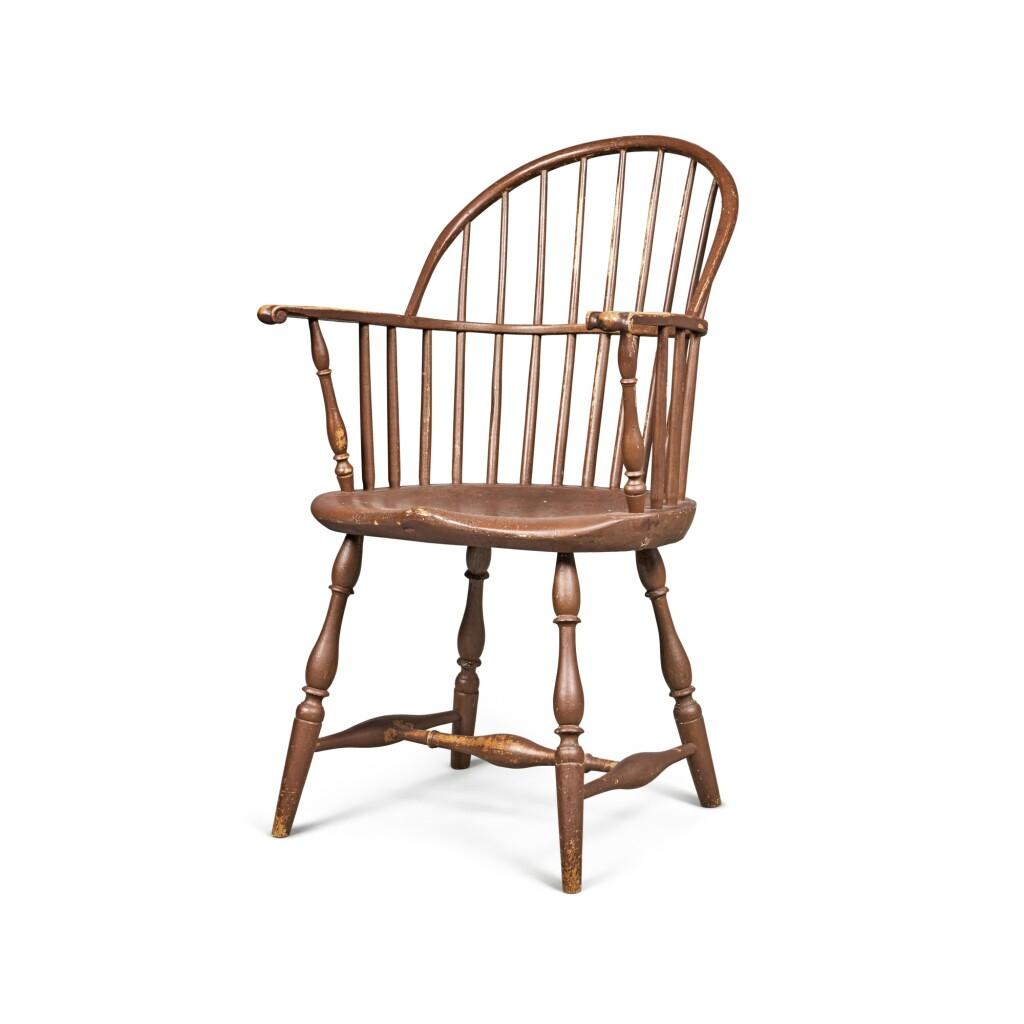
That’s one of the things I’ve always appreciated about traditional chairmaking. We inherit knowledge from craftsmen who came before us, put our own hands to the work, and send something out into the world that may well outlast us.
Each time I number a finished chair, I find myself wondering: What is the story yet to be told in the life of this chair?
I know its beginning. The rest belongs to those who will live with it.
And I rather like that.
Larry Wood
Traditional Windsor Chairmaker
larrywoodworker.com
⸻
Historical Reference
James Gergat and Nancy Goyne Evans, The Decline and Rise of Francis Trumble: A Philadelphia Success Story, American Furniture 2023, Chipstone Foundation.


Leave a Reply